The Progress Blueprint A Guided Workbook for Real Growth
Whether you're a busy professional, a creative looking to refine your craft, or someone simply wanting to make more intentional choices in life, The Progress Blueprint is a tool that can help you move forward with clarity and purpose. This guided workbook isn’t just another self-help book—it’s a practical resource designed to support real change, one step at a time.
What Is The Progress Blueprint?
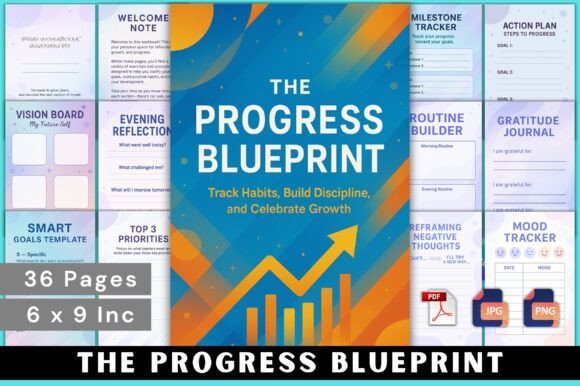
The Progress Blueprint is a 36-page printable workbook that combines goal-setting, reflection, and tracking into a single, easy-to-use format. It's structured to help users set clear objectives, monitor their progress, and reflect on their experiences. Unlike generic planners or digital apps, this workbook offers a tactile experience that many find more engaging and meaningful. Its compact size—6 x 9 inches—makes it perfect for carrying around, using during breaks, or keeping on your desk as a daily reminder of your goals.
When and Why You Might Need It
The right time to use The Progress Blueprint is when you're ready to take control of your personal development. Whether you're starting a new project, trying to build better habits, or simply want to become more self-aware, this workbook provides the structure needed to stay on track. For example, a freelance writer might use it to track writing goals, while a small business owner could use it to evaluate monthly performance and adjust strategies accordingly.
One of the key reasons people choose this workbook is its focus on progress, not perfection. It encourages celebrating small wins and acknowledging setbacks as part of the journey. This mindset is especially valuable for those who feel overwhelmed by large goals or unsure where to start.
Real Use Cases Across Different Areas of Life
The Progress Blueprint is versatile enough to fit into various aspects of life. Here are a few realistic examples:
- Personal Development: A person working on improving their time management might use the goal-setting pages to outline weekly tasks and reflect on what worked or didn't. The prompts encourage thinking about how habits affect long-term outcomes.
- Creative Projects: A graphic designer could use the journaling space to document ideas, sketch concepts, and track the evolution of a design project from concept to completion.
- Professional Growth: Entrepreneurs often need to balance multiple responsibilities. The progress tracker helps them prioritize tasks, set milestones, and assess whether they're on course to meet business objectives.
- Education: Students preparing for exams can use the workbook to break down study goals, review notes, and reflect on what they’ve learned each week.
- Digital Habits: Someone looking to reduce screen time or increase productivity might use the mindful prompts to examine their digital habits and identify areas for improvement.
Each of these scenarios shows how The Progress Blueprint adapts to different needs and environments. It doesn’t require a specific background or expertise, making it accessible to anyone who wants to grow in a structured way.
What to Consider Before Using It
Before diving into The Progress Blueprint, it's important to think about your goals and how much time you're willing to invest. While the workbook is designed to be simple and straightforward, it still requires consistent use to see results. If you’re looking for something that demands daily input, this is a great choice. However, if you prefer a more flexible approach, you may want to explore other tools that align with your lifestyle.
Another consideration is how you plan to use the workbook. Since it’s a printable PDF, you’ll need access to a printer or a device where you can view and annotate it digitally. Some users also appreciate having physical copies for different projects or phases of their growth journey.
How It Helps Different Types of Users
For creators, The Progress Blueprint offers a way to organize thoughts and track creative output. For entrepreneurs, it serves as a planning and evaluation tool that supports decision-making. Marketers and bloggers can use it to monitor content calendars, audience engagement, and campaign performance. Freelancers might use it to manage client interactions and ensure they’re meeting deadlines and expectations.
Even educators and publishers can benefit from the workbook’s structure. It allows for setting educational goals, tracking student progress, or evaluating the effectiveness of publishing strategies. In all cases, the workbook acts as a bridge between intention and action, helping users stay focused and accountable.
Why It Stands Out
What sets The Progress Blueprint apart is its balance between simplicity and depth. It doesn’t overwhelm with complex systems or jargon, but it still offers enough structure to keep users motivated. The inclusion of mindful prompts adds an emotional and reflective element that many self-improvement tools lack. These questions help users connect with their values, clarify their motivations, and maintain a sense of purpose throughout their journey.
Additionally, the progress tracker is a standout feature. It allows users to visually see their achievements over time, which can be incredibly motivating. For someone working on building a habit like daily exercise or reading, this visual feedback can make all the difference in staying committed.
Final Thoughts
If you're looking for a tool that supports your growth without being overwhelming, The Progress Blueprint is worth considering. It’s not just about setting goals—it’s about understanding your path, reflecting on your progress, and staying true to your intentions. Whether you're managing a creative project, growing a business, or simply striving to be your best self, this guided workbook can be a valuable companion on your journey.