Mastering Debugging with the Debugging Coding Workbook for Beginners
Debugging is often considered one of the most challenging aspects of coding, yet it's a fundamental skill that every programmer must master. The Debugging Coding Workbook for Beginners is designed to bridge this gap by offering a structured, interactive, and engaging approach to learning how to identify and fix errors in code. Whether you're a kid just starting out, a teen exploring programming, or an adult looking to build foundational skills, this workbook provides the tools and guidance needed to become a confident debugger.
Why Debugging Matters in Programming
At its core, debugging is the process of identifying and resolving issues in code that prevent it from functioning as intended. These issues can range from simple syntax errors to more complex logic flaws. Without the ability to debug effectively, even the most well-intentioned code can fail to deliver results. The Debugging Coding Workbook for Beginners recognizes this challenge and offers a hands-on solution tailored to newcomers.
The workbook is not just about fixing errors—it's about building a deep understanding of how code works and how to systematically approach problem-solving. Through a combination of real-world examples, step-by-step explanations, and interactive exercises, learners are guided through the debugging process in a way that feels both intuitive and empowering.
What Makes This Workbook Unique
The Debugging Coding Workbook for Beginners stands out for its user-friendly design and comprehensive content. Here are some key features that make it an excellent resource for beginners:
- Hands-on Debugging Exercises: Each chapter includes practical tasks that allow learners to apply what they've learned in a real coding environment.
- Real-World Error Examples: By working through common coding mistakes, students gain insight into how errors can arise and how to address them.
- Syntax, Logic, and Runtime Errors: The workbook covers all three types of errors, helping learners develop a holistic understanding of debugging.
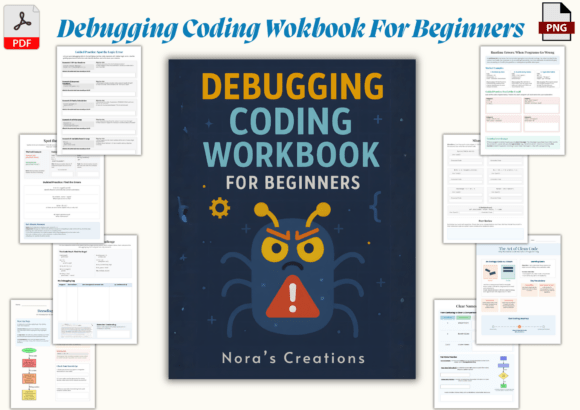
- Colorful Diagrams and Visual Aids: Visual elements make abstract concepts more tangible and easier to grasp.
- Write-In Tasks: Encouraging independent thinking, these tasks help reinforce learning through active engagement.
- Confidence-Boosting Activities: Designed to build confidence, these activities gradually increase in difficulty, ensuring steady progress.
Who Can Benefit from This Workbook?
The Debugging Coding Workbook for Beginners is suitable for a wide range of users, including:
- Kids Learning to Code: The workbook’s engaging format makes it ideal for young learners who are just starting their coding journey.
- Teens Starting Python or JavaScript: For those diving into popular programming languages, this workbook offers a solid foundation in debugging essentials.
- Adult Beginners: Whether you're picking up coding for personal interest or professional development, this workbook provides clear, actionable guidance.
- Teachers and Educators: The structured content and variety of exercises make it a valuable resource for classroom instruction.
- Homeschooling Parents: Looking for a STEM enrichment activity? This workbook supports homeschooling programs with its interactive and educational approach.
- Business Owners and Creators: Understanding how to debug code can be essential for anyone involved in software development or digital projects.
Real-World Applications and Scenarios
Debugging isn't just a theoretical exercise—it's a critical skill used in everyday programming tasks. Consider the following scenarios where the Debugging Coding Workbook for Beginners can be applied:
- Developing Simple Web Applications: When creating basic websites or apps, learners will encounter syntax and logic errors that require careful debugging.
- Automating Tasks with Scripts: Writing scripts for automation often involves troubleshooting runtime errors that may not be immediately obvious.
- Collaborative Coding Projects: In team environments, debugging becomes a shared responsibility, and understanding how to identify and resolve issues is essential.
- Building Custom Software Solutions: Whether it's a small tool or a larger application, debugging ensures that the final product functions correctly and efficiently.
By practicing with the Debugging Coding Workbook for Beginners, learners can develop the skills needed to handle these situations confidently and independently.
Strengths and Considerations
The Debugging Coding Workbook for Beginners has several strengths that make it an effective learning tool:
- Clear Structure: The workbook is organized logically, making it easy to follow and navigate.
- Interactive Format: The write-in tasks and exercises promote active learning and retention.
- Visual Appeal: The use of colorful diagrams and illustrations helps keep learners engaged and enhances comprehension.
- Beginner-Friendly Language: The content is written in a way that is accessible to new learners without overwhelming them with technical jargon.
However, it's important to consider that while the workbook is an excellent introduction to debugging, it may not cover advanced topics in depth. As learners progress, they may need additional resources to continue their development in more complex areas of programming.
Evaluating Suitability for Different Needs
When evaluating whether the Debugging Coding Workbook for Beginners is right for your needs, consider the following factors:
- Learning Objectives: If your goal is to build a strong foundation in debugging, this workbook is an excellent choice.
- Experience Level: The workbook is best suited for absolute beginners or those with minimal coding experience.
- Learning Style: If you prefer hands-on, interactive learning, this workbook will provide the necessary structure and engagement.
- Accessibility: Available in both PDF and PNG formats, the workbook is easily accessible across different devices and platforms.
- Support and Resources: While the workbook is self-contained, supplementary materials or online communities may enhance the learning experience.
Ultimately, the Debugging Coding Workbook for Beginners is a valuable resource for anyone looking to develop essential debugging skills in a fun and supportive environment. With its blend of education, interactivity, and practical application, it empowers learners to approach coding challenges with confidence and curiosity.