Discover the Hidden World of Soil
Soil is more than just dirt. It’s a complex ecosystem teeming with life, nutrients, and history. For educators and parents seeking engaging, hands-on science resources, The Science of Soil Workbook offers a unique opportunity to bring this hidden world to life. Designed for students in grades 3–7, this workbook transforms abstract scientific concepts into tangible, interactive experiences that foster curiosity and critical thinking.
A Hands-On Approach to Learning
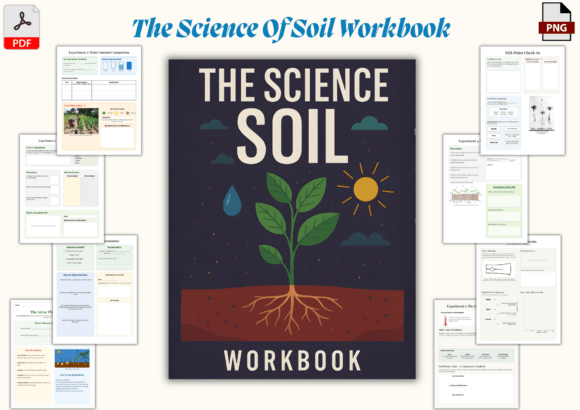
What sets The Science of Soil Workbook apart is its focus on experiential learning. Each page is filled with guided experiments, clear instructions, and visual aids that make it easy for young scientists to explore soil composition, nutrient cycles, and ecological relationships. From identifying soil layers to testing pH levels, students are encouraged to observe, record, and analyze their findings through structured activities.
Building STEM Confidence
By integrating the scientific method into everyday exploration, this workbook helps students develop essential skills in observation, hypothesis formation, and data interpretation. The inclusion of lab journaling pages allows learners to document their progress, reinforcing the connection between theory and practice. This approach not only builds confidence in STEM subjects but also cultivates a lifelong love for inquiry and discovery.
Designed for Real-World Application
The Science of Soil Workbook is more than just a classroom tool—it’s a resource that bridges the gap between academic learning and real-world application. Whether used in a homeschool setting, a science center, or as part of a school curriculum, the workbook provides practical insights into environmental science, agriculture, and ecology. Students learn how soil affects plant growth, water retention, and biodiversity, all while developing a deeper appreciation for the natural world.
Supporting NGSS Standards
Aligned with Next Generation Science Standards (NGSS), this workbook ensures that students are meeting key educational benchmarks. Its structured format supports both teachers and students by providing clear learning objectives, assessment opportunities, and alignment with national standards. This makes it an ideal choice for educators looking to integrate high-quality, standards-based science materials into their teaching.
Engaging and Accessible Design
One of the standout features of The Science of Soil Workbook is its visually appealing design. With kid-friendly colors, clear layouts, and editable fields, the workbook is both functional and aesthetically pleasing. The use of charts, diagrams, and illustrations enhances comprehension, making complex concepts more accessible to young learners. Additionally, the option to print the workbook multiple times ensures flexibility for repeated use or customization.
Perfect for Multiple Settings
This versatile resource is suitable for a wide range of environments. In classrooms, it can be used to supplement science lessons or as a standalone activity for small group work. Homeschoolers will appreciate the self-contained nature of the workbook, which includes all necessary materials and instructions. Science centers and museums can also benefit from incorporating this workbook into interactive exhibits, offering visitors a hands-on way to engage with soil science.
Practical Applications Beyond the Classroom
While The Science of Soil Workbook is primarily designed for educational use, its value extends beyond the classroom. For example, gardeners and farmers can use the knowledge gained from the workbook to improve soil health and crop yield. Environmental professionals may find the content useful for understanding land management practices and ecological restoration. Even hobbyists and DIY enthusiasts can apply the principles of soil science to projects like composting, terrarium building, or urban gardening.
Enhancing Communication and Engagement
The workbook’s emphasis on observation and documentation encourages students to communicate their findings effectively. By using observation logs and data sheets, learners practice articulating scientific processes and results—a skill that is valuable in both academic and professional settings. This aspect of the workbook supports not only scientific literacy but also the development of clear, concise communication skills.
Considerations for Implementation
When selecting a science workbook like The Science of Soil Workbook, it’s important to consider factors such as age appropriateness, accessibility, and adaptability. The workbook’s structured yet flexible format allows for easy integration into various curricula and learning styles. Educators should also evaluate the availability of supplementary materials and the ease of printing or digital access, especially for remote or hybrid learning environments.
Real-World Impact and Recommendations
Investing in The Science of Soil Workbook can have a lasting impact on both students and educators. By fostering a deeper understanding of soil science, the workbook equips learners with the knowledge and skills needed to address real-world challenges related to sustainability, agriculture, and environmental conservation. For those looking to enhance science education, this workbook is a valuable addition to any teaching toolkit.