Diet Planner: A Comprehensive Tool for Health, Wellness, and Daily Living
A Diet Planner is more than just a list of meals or a calorie counter—it's a personalized roadmap to healthier eating habits, lifestyle balance, and long-term wellness. Whether you're managing a chronic condition, preparing for a fitness goal, or simply looking to eat better, a Diet Planner can be an essential companion in your journey. Its value lies not only in the structure it provides but also in how it adapts to your unique needs and goals.
Real-World Applications of a Diet Planner
Imagine waking up on a Monday morning with a packed schedule. You need to prepare healthy meals for the week ahead, but you’re not sure where to start. A Diet Planner can help you visualize your meals, track your intake, and ensure that each day includes balanced nutrition. It’s especially useful for people who struggle with meal prepping or who are new to mindful eating.
For busy professionals, a Diet Planner can streamline grocery shopping by creating a weekly menu and a shopping list. This saves time and money while reducing food waste. For parents juggling work and family life, it can simplify meal planning for the whole household, ensuring everyone gets the nutrients they need without overcomplicating things.
Individuals with specific dietary needs—like those following a gluten-free, keto, or plant-based diet—can benefit from a Diet Planner that allows customization. It helps them stay on track even when dining out or attending social events. The flexibility of a good Diet Planner means it can fit into almost any lifestyle, whether you're a student, a working parent, or someone recovering from an illness.
Who Benefits from a Diet Planner?
The versatility of a Diet Planner makes it suitable for a wide range of users. For example, athletes use it to optimize their performance through proper fueling, while individuals managing diabetes rely on it to control blood sugar levels. Weight loss seekers use it to create calorie-controlled meals, and those looking to improve digestion may use it to incorporate more fiber-rich foods into their routine.
Students often find a Diet Planner helpful in maintaining energy levels during long study sessions. It ensures they're getting enough protein, vitamins, and hydration throughout the day. Meanwhile, retirees might use it to maintain muscle mass and support overall health as they age.
Professionals in the wellness industry, such as nutritionists and personal trainers, also use Diet Planners as tools to guide their clients. These planners offer a structured way to assess progress, identify areas for improvement, and make necessary adjustments. They serve as both a resource and a motivational tool for users at every stage of their health journey.
How a Diet Planner Integrates with Other Tools
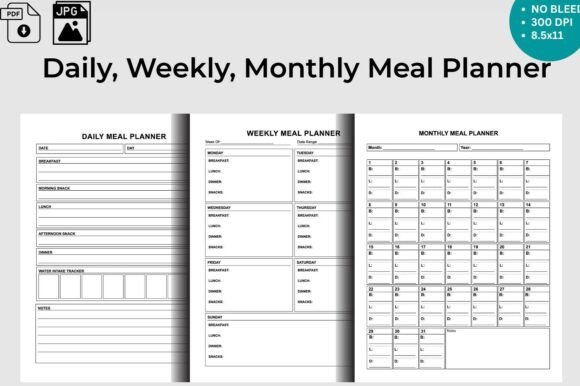
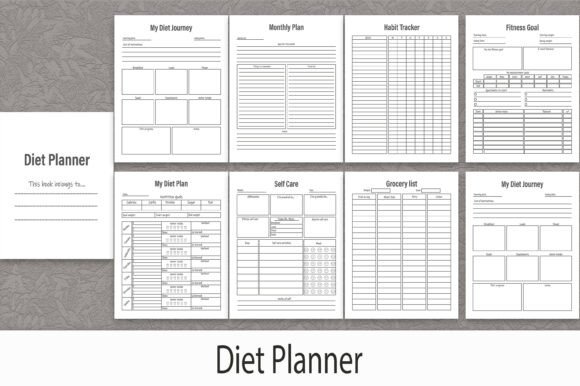
A Diet Planner doesn’t exist in isolation. It works best when combined with other self-care and productivity tools. For instance, pairing it with a Habit Tracker can help users build consistent eating patterns. A Meal Planner complements it by offering variety and creativity in meal preparation, while a Self-Care Planner ensures that health isn't just about diet but also about mental and emotional well-being.
Many modern Diet Planners come with digital features that allow for easy tracking, syncing across devices, and sharing with healthcare providers. Some even integrate with smart kitchen appliances or grocery delivery services, making the process of eating well more seamless and efficient.
What to Consider Before Using a Diet Planner
Before diving into a Diet Planner, it's important to consider your goals and preferences. Are you looking for a simple, no-frills planner, or do you want something more detailed with nutritional breakdowns? How much time are you willing to dedicate to planning and tracking? Some planners require daily input, while others offer weekly or monthly summaries.
It’s also crucial to choose a planner that aligns with your values and lifestyle. If you prefer eco-friendly materials, look for options made from recycled paper or biodegradable components. If you're a visual learner, a planner with charts, infographics, and color-coded sections might be more effective for you.
Additionally, consider the format. Physical planners offer a tactile experience and can be kept in a drawer or on a desk for quick reference. Digital versions provide convenience and accessibility, especially if you're always on the go. Some planners combine both formats, offering the best of both worlds.
Strengths and Limitations of a Diet Planner
One of the greatest strengths of a Diet Planner is its ability to promote consistency. By setting clear expectations and routines, it helps users develop sustainable habits. It also encourages mindfulness around food choices, which is key to long-term success.
However, there are limitations to consider. A Diet Planner can sometimes feel restrictive if not used flexibly. It's important to remember that no single plan fits all, and occasional indulgences should be allowed to maintain a healthy relationship with food. Over-reliance on a planner can also lead to burnout, especially if it becomes too rigid or overwhelming.
Another potential limitation is the lack of personalization. While many planners offer customization options, some may not account for individual differences in metabolism, activity levels, or medical conditions. In such cases, consulting a registered dietitian or healthcare provider is recommended to ensure the planner aligns with your specific needs.
Design and Format Considerations
A well-designed Diet Planner enhances usability and engagement. High-resolution images, clear typography, and intuitive layouts make it easier to navigate and use. When choosing a planner, look for one that includes high-quality JPEGs, SVG graphics, and CMYK color options for professional printing. These elements contribute to a polished, visually appealing product that feels both practical and inspiring.
Some planners include AI-generated content, which can adapt to user inputs and provide tailored recommendations. Others offer downloadable PDFs and editable files, allowing for greater flexibility. Whether you prefer a physical copy or a digital version, the right design can make a significant difference in how effectively you use the planner.
With nine pages of content, a comprehensive Diet Planner offers enough depth to cover multiple aspects of healthy living. From meal ideas to habit-building strategies, it serves as a one-stop resource for anyone committed to improving their health and well-being.